Wednesday, September 9, 2015

Success ecommerce story with Shopify

Bija Bhar

start free 14 day trial with Shopify

https://www.shopify.com/?ref=qrsgrom 

Bija Bhar
Bija is Sanskrit for seed and Bija Bhar is a line of healthy food products inspired by the potency of seeds.
We launched online in February with a single product: Decadent Energy Nuggets, one of a range of seed based snacks that serve diverse nutritional needs and will please discerning palates. We found as we did our market research that in spite of their low sugar content, they also work well as a treat or dessert alternative. With over 20% of their composition coming from cacao nibs, and other satisfying healthy ingredients like coconut oil, chia seeds, flax seeds, and cayenne pepper they can satisfy chocolate cravings and also be efficient performance fuel for runners and other physically active folks. We use 100% organic ingredients to make a Vegan, Paleo, Gluten Free food that is also safe for a people with the most common food allergies. The world need more minimally processed food without fillers or other junk we are all trying to avoid. We are raising the bar, one nugget at a time!

How did you earn your first sales? Which channels are now generating the most traffic and sales for you?

Bija Bhar had fans of the product waiting so we had an order within a few hours. By the next day we had several unexpected orders via social media. We launched 10 days before Valentine's Day with a limited edition of heart shapes with the tagline "Seeds of Love..."
Because raising capital is so tough, founder Anjali Bhargava decided to do a riff off of rewards based crowd funding through our Shopify site. We’re selling prepaid subscriptions that are monthly or every other month for the year because sales alone were leaving no capital to grow the business.

Tell us about the back-end of your business. What tools and apps do you use to run your store? How do you handle shipping and fulfillment?

Shopify Mobile and Facebook Store were probably my first and essential. Yotpo was added within a few weeks and we have now gotten over 50 reviews. Without a doubt, they have allowed people to order more confidently and possibly in greater quantity.
Wth the subscriptions, Edit Order was critical, although there are still some issues on receiving payment for customers who want to add to their orders. We’ve been using Zopim for chat. Their iphone app allows us to be available to customers pretty much all the time, which is critical for a new business!
Chimpified allows new customers to be added to our Mailchimp mailing list automatically.
Sky Pilot is probably our newest app, allowing us to have digital files available for free download like Anjali’s green juice recipe!

What are your top recommendations for new ecommerce entrepreneurs?

Keep doing what you can. New challenges will keep arising. Let the inevitable frustration and anger fuel you. They are learning opportunities that can leave you a stronger leader with a stronger business.
Make your goals clear. Keep seeking better ways of doing things and do them. Stop worrying about how they will get done and just hustle! The universe likes clarity, action, and speed. Don't beat yourself up over failures -even those who give the best advice fail. Most of them are wise enough to admit that the foundation of their success is failure. Breathe.

Sunday, September 6, 2015

Shopify-Ecommerce Software Build Online Store,POS

Shopify-Ecommerce Software Build Online Store,POS
Shopify is everything you need to sell anywhere Start your free 14-day trial today!

How An Ex-Con Turned His Life Around And Built an $80k per Month Ecommerce Busines

How An Ex-Con Turned His Life Around And Built an $80k per Month Ecommerce Busines

https://www.shopify.com/?ref=qrsgrom 

How An Ex-Con Turned His Life Around And Built an $80k per Month Ecommerce Business
This is a guest post by Robert Nava, owner of National Parks Depot.
Being the founder of a successful ecommerce website isn’t something I would have predicted for myself. One year ago, the idea wasn’t even in my peripherals. It wasn’t something that took me a lot of planning and preparation coupled with years of experience to carry out.
Creating National Parks Depot and getting it to a recognized level of success basically took one month. During that month, I came up with a product to sell, created a store, and promoted the product to about one million targeted prospects. Sales were so great that I had to pull in an investor to help get inventory.
Building National Parks Depot using Shopify is one of the easiest things I’ve ever done. I don’t have tons of experience in sales or marketing, so it’s not as if I was destined to be successful at this. In fact, with my history, success seemed unlikely. But with all the right pieces in all the right places, what seemed to be most unlikely actually became a reality.

Early Life and Incarceration

https://www.shopify.com/?ref=qrsgrom 

The early part of my life was spent incarcerated. From the age of 11 to 27 I was in and out of juvenile and adult correctional facilities for various crimes. I was addicted to drugs, lost, and hopeless. At that time, no one would have guessed that decades later I’d be so involved in business, sales, or marketing. Like I said, I wasn’t a likely candidate for success.
In September of 2007, I was released from California State Prison and have never looked back. My life was different from that day forward, but how drastically different it would be surprises even me at times. Fast forward seven years. I now have a family, a business, and am working on a college degree.
There is something about ex-felons that make us good candidates for being entrepreneurs. There’s a drive that makes us want to be different and to stand out among the crowd. When I decided that I would never go back to crime and prison, my drive didn’t leave. It was just refocused. From then on, my drive and motivation would be success for me and my family.
While that sounds all good, it wasn’t all easy. Over the last few years, while also being a full-time engineering student, I attempted to launch many business ventures. Most failed immediately. Some were sustainable for a short period of time. But only one stands out as an immediate success, and that one is National Parks Depot.

When I started this store, I wasn’t in the greatest financial position. My family couldn’t afford our rent and had to work out arrangements with our landlord in order to keep a roof over our heads. We even had to rely on Government assistance. It was a low point, and I was almost ready to give up on my ventures.
At the time, I had a small Facebook page that was dedicated to sharing images from National Parks around the world. I sold t-shirts through this page and began to think that I could sell even more products to this audience. There was one issue – I didn’t have any products of my own to sell. I had heard of something called dropshipping and thought I might try it out.
So that is what I did.

Getting Started With Dropshipping

https://www.shopify.com/?ref=qrsgrom 

Finding drop shippers was frustrating and even scary at times. But once I got the hang of it, it really wasn't that difficult. The key was to have a product in mind first. I simply looked for items that were selling well elsewhere. Once I found a product, I would create my own offer for that item and see if it was something people would buy from my online store. If they did, I'd find a supplier that was willing to dropship that product for me.
The mistake that many other people make is that they look for a drop shipper and then try to sell what that supplier has. When you do that, you limit yourself. Once I identify a product, I simply email the retailers that are selling the item already and ask if they are willing to drop ship. I was surprised at how many actually said yes.
In just a few days, I had National Parks Depot set up on Shopify and ready to promote. I’m not the best marketer on the block, but through all of my failures over the last few years, I was able to learn a few things that would help me promote this store to success.

Facebook Advertising

https://www.shopify.com/?ref=qrsgrom 

The Facebook page only had a few thousand fans, so if we wanted to get any sales at scale, there would need to be paid advertising. But as I mentioned earlier, I couldn’t even pay rent so an ad spend was almost out of question. Almost.
I figured I would try it with a small budget of $60 and determine from the sales if it was worth going further. That $60 ad spend brought in nearly $1,000 in sales on the first day, giving a great return. I was ecstatic! On day two, I decided to double the budget and see what would happen. Sure enough, the sales nearly doubled as well. Over the next few days, I would repeat this process several times – every time the sales would just grow.

Then I came to a roadblock. Since I was dropshipping, I never had control over inventory. After about a week of great sales, my suppliers began to run out of stock and I was stuck with tons of sales and no product. I scrambled to find the products elsewhere, but didn’t have enough capital built up in order to purchase inventory in bulk.
That’s when I had to get help from an unlikely source – my landlord Shawn. He knew of my financial situation; it was to him that I couldn’t pay my rent. But we’ve worked together in the past, so he also knew of my drive for success. I told Shawn about the sales going on in the store and let him know that I needed help if this was to continue. He decided to come on and help out in the areas where I lacked. That would get us past the roadblock and move on to more sales.
Over the next several weeks, we spent thousands of dollars on Facebook ads to drive traffic to the store. Just like when I first started, every dollar that went out brought a few more back in. Less than two months after launch, we’ve had nearly $80,000 in sales come in. There have been a few hiccups to overcome, but that comes with learning anything new. In the end, it’s well worth it.
Even though I wasn’t a likely candidate for success, I’ve made it. I’ve learned that there are resources out there that will help us do anything we want. We just have to find them. For National Parks Depot, our success is dedicated to the Shopify platform and to Facebook. Without either, it would not exist.

About The Author

Robert Nava is a father, electronics engineering student, and entrepreneur who started his life with rough beginnings. After years of struggling to create a successful business, Robert founded National Parks Depot in 2014.

Saturday, September 5, 2015

6 Common Qualities of Successful Entrepreneurs (and How You Can Adopt Them)

https://www.shopify.com/?ref=qrsgrom 

6 Common Qualities of Successful Entrepreneurs (and How You Can Adopt Them)

Quiz: Which Successful Entrepreneur Are You Most Like?

6 Common Qualities of Successful Entrepreneurs

https://www.shopify.com/?ref=qrsgrom 

There’s no definitive formula for success. However, as entrepreneurs, we don’t really need a formula.
We can stand on the shoulders of giants. We don’t need to guess or try to figure out our path to success from complete scratch. We can look to the successful entrepreneurs out there and emulate their habits, common qualities and characteristics.
Here are the six common qualities I’ve found among the entrepreneurs I try to model myself after. This isn’t the definitive list nor the only important qualities. These are just the ones I think you can take the most away from right now. With each quality, I’ll show you a successful entrepreneur that possesses it and how you emulate them and apply that quality today.

1. Perseverance

https://www.shopify.com/?ref=qrsgrom 

Arianna Huffington faced rejection after rejection when trying to publish her second book, After Reason. However, Arianna did not give up. When she was 23 years old, she was rejected by 36 publishers before her book was finally published.
Years later, in 2003, Arianna ran for governor of California in the California gubernatorial recall race. However, after seeing only 2 percent support in early polls, Arianna dropped out of the race. Despite this, and seeing the power of the internet through her fundraising campaign, two years later she launched HuffingtonPost.com, which later sold to AOL.com in 2011 for $315 million.
via HuffingtonPost.com
My mother said failure was a stepping stone to success
Arianna understood the importance of perseverance despite her failures and roadblocks. A successful entrepreneur knows that failures and rejections are not signs for stopping but instead signs to keep pushing forward and persevering.
Begin looking at failures and roadblocks as learning experiences and stepping stones. Remember that if it were easy, everyone would do it. You will encounter failures, setbacks and other obstacles. But that’s okay. Persevering despite the struggle is one of the most rewarding experiences for entrepreneurs.

2. Self-Improvement and Always Learning

https://www.shopify.com/?ref=qrsgrom 

Elon Musk, CEO of SpaceX and Tesla Motors, is known for being someone who learns very fast. Before Elon Musk started the SpaceX program, according to Esquire’s interview, he read and consumed as many rocketry and propulsion books as possible to learn how to build rockets.
When Elon Musk participated in an “Ask Me Anything” on Reddit, one user asked how Elon is capable of learning so much in such a short amount of time. Elon replied “one bit of advice: it is important to view knowledge as sort of a semantic tree—make sure you understand the fundamental principles, i.e. the trunk and big branches, before you get into the leaves/details or there is nothing for them to hang on to.”
via Wikipedia
I think it’s very important to have a feedback loop, where you’re constantly thinking about what you’ve done and how you could be doing it better. I think that’s the single best piece of advice: constantly think about how you could be doing things better and questioning yourself.
Even with Elon’s success with PayPal and Tesla, and all of his accumulated experience, he understood he would have to learn about rockets and rocket propulsion systems if he wanted to be a competent leader of a space flight company.
Successful entrepreneurs strive to learn more. A part of this is realizing that no matter how successful you are or how much you think you might know, there’s always an opportunity to learn more and work on your personal growth.
Start reading more, listening to more podcasts, and watching more YouTube videos on subjects that can help grow your business. Put together a regiment and daily routine where you set aside an hour a day to work on yourself and becoming a more knowledgeable entrepreneur.

3. Risk-Taker

https://www.shopify.com/?ref=qrsgrom 

Bill Gates risked his future when he dropped out of Harvard when only 20 years old, to co-found the software company, Microsoft.
From Bill Gates’ book, “Business @ the Speed of Thought: Using a Digital Nervous System”, Bill describes his risk-taking as “to win big, sometimes you have to take big risks. Big bets mean big failures as well as successes. Today, looking back, it’s easy to believe that Microsoft’s current success was inevitable. But at the time we made our big bets, including starting the company as the first personal computer software firm, most people thought we would fail.”

Business is a money game with few rules and a lot of risk.
What are the things you are most afraid of doing that has the potential to grow your business the most or put you on the most direct path to where you want to be? One way to overcome the fear of taking risks is simply through exposure. Entrepreneur.com suggests surrounding yourself with other risk-takers. To break out of your comfort zone, and start taking more risks with your business, spend more time with people who encourage you, not the ones who think you will fail.

4. Leadership

https://www.shopify.com/?ref=qrsgrom 

Howard Schultz’s leadership helped quickly turn Starbucks around when it was on the brink of failure in 2008, during a massive recession. In an interview with London Business Forum, Howard Schultz talked a lot about leadership and what it took for him to revive Starbucks. One of the most notable things Howard says in this interview is “leaders need to be decisive, and you have to be willing to make decisions without perfect information.”
I think the currency of leadership is transparency, you’ve got to be truthful. I don’t think you should be vulnerable every day, but there are moments where you’ve got to share your soul and conscience with people and show them who you are, and not be afraid of it.
Leadership means being decisive and executing on the things that lead to the growth and betterment of your business. If you have employees or people that you work with, part of being a leader is also explaining how and why the decision is made.
Taking initiative and taking responsibility (and ownership of problems) are two things you can start doing now to work to develop your leadership skills.

5. Hustle and Tremendous Work Ethic

https://www.shopify.com/?ref=qrsgrom 

Even while Oprah Winfrey hosted The Oprah Winfrey Show, she was not shy to take on other projects. She appeared in 12 movies and cameoed and produced dozens of other TV shows, movies and documentaries. Oprah took on many different projects, all while keeping her show at the top of TV ratings and winning awards, including 9 Daytime Emmys for Outstanding Talk Show.
Even after the series finale of The Oprah Winfrey Show in 2011, Oprah continues and continued  to be a media mogul with her own television network, Oxygen, her own channel, OWN, a magazine, a website, a XM satellite radio channel and several more movies and television show cameos.
via Oprah.com
The big secret in life is that there is no big secret. Whatever your goal, you can get there if you’re willing to work.
Success requires a little bit of grit and hustle. In Oprah’s case, her success came from how she built up her personal brand. She hustled to put herself on nearly every channel available to her without sacrificing quality.
How many platforms can you put your business and brand on? Get active and use the channels available, to bring awareness to your brand.
Go out there and work for it. Don’t be passive or wait for the traffic to come to you. You need to go out there and proactively market your product and proactively make a name for yourself. Nobody is responsible for your success besides you.

6. Focus

https://www.shopify.com/?ref=qrsgrom 

When Steve Jobs returned to a failing Apple in 1996, he saw that Apple was losing focus on what made them successful and great. By 1997, Steve reduced Apple’s product line from 350 to just 10.
At a developer’s conference in 1997, Steve Jobs was quoted as saying “When you think about focusing, you think ‘Well, focusing is about saying yes.’ No! Focusing is about saying no.”

via YouTube
Around this time, Steve Jobs had to make a lot of tough decisions to kill off a lot of the products and projects Apple was involved in. Apple’s poor management caused the company to spread itself out too thin. Steve noticed this and began to focus the company which inevitably helped Apple be the powerhouse brand and company that it is today.
When you think about focusing, you think ‘Well, focusing is about saying yes.’ No! Focusing is about saying no.
Successful entrepreneurs know the importance of focusing and not spreading themselves out too thin or allowing their business to lose focus from its’ original vision.
Take time to step outside of yourself and your business and see where you have started to lose focus. A simple strategy to employ is to keep it simple. Focus on making the best one product instead of making 10 “okay” products. Focus on growing the best ecommerce business in one industry instead of trying to decently serve several niches.

Stand on the Shoulders of Giants

https://www.shopify.com/?ref=qrsgrom 

You don’t have to adopt all of these qualities today, just the ones you resonated the most with. Does your business feel unfocused? Work on your focus. Are you not grinding enough? Start hustling more to get your business and products out there.
Entrepreneurs are not born with these qualities, they learn and adopt them through mentors, influencers and their own personal experience. You can start today to do the same to be a better entrepreneur and business leader.
Let me know which quality resonated the most with you in the comments below. If you feel like there’s an important entrepreneurial quality that I missed, let me know as well. I engage and respond with all comments.

Success story with Shopify

 Try with 14 day free trial 

https://www.shopify.com/?ref=qrsgrom

Angelus Direct

Angelus Direct

Introduce your business and tell us your story: How did you decide on what to sell, and how did you source your products?

https://www.shopify.com/?ref=qrsgrom 

My family has owned our business, Angelus Shoe Polish, for 108 years. We were circling the drain and they weren't taking advantage of the internet. I (the grandson) came in with the strange idea to bring the business online.
Using social media, Google Adwords, Shopify, and a few apps I turned our business around completely. Here I am two years later selling close to 300k a month. They gave me the foundation and I ran with it.

How did you earn your first sales? Which channels are now generating the most traffic and sales for you?

https://www.shopify.com/?ref=qrsgrom 

I remember starting our site on another platform - it was an awful experience. It looked terrible and received very few orders. Then I found Shopify, which opened our world completely.
As for advertising, we went for artists on Instagram and sponsored them to show off our product. They get our product for a great price in exchange for shout outs and general help. It helped us blow up! Then we got a Google AdWords analyst who changed everything for us. We were doing great but he really took us to another level. He continues to wow us every day.

Tell us about the back-end of your business. What tools and apps do you use to run your store? How do you handle shipping and fulfillment?

https://www.shopify.com/?ref=qrsgrom 

I use a huge amount of applications to keep my business running. Shopify can really be a powerhouse if you know what you're doing.
I just recently got featured on Coupon Pop in a study because one of their applications helped us so much; we receive 500 followers on Facebook and Instagram every week thanks to them! I would easily say it's one of the most valuable apps we use.
Now we use MailChimp, Zopim Chat, Referral Candy, Adroll, Yotpo, Shipstation, SEO Meta Manager, Shopify Bulk Discounts, Order Look Up, Shipping Calculator, Product Customizer, Fraud Alert, Email Template Editor, Revenue and Tax Reporting, Checkout Donations, Coupon Pop, and Persistent Cart. They all work together to make my website quite the machine.

What are your top recommendations for new store owners?

https://www.shopify.com/?ref=qrsgrom 

Use social media and take advantage before it's too late. We have over 50k followers on Instagram, 10k on Facebook, and 20k on YouTube. They are a revolving door of sales. We show potential customers how to use our product and display artists and fans on our page for support.
Don't try to take on too much at once. All those apps took me months to get running. Now the site practically runs itself! I went from one package through USPS to over 2000 a week. If it can happen to me, it can happen to you.

Friday, September 4, 2015

5 Things All Entrepreneurs Learn the Hard Way (But You Don't Have To )

5 Things All Entrepreneurs Learn the Hard Way (But You Don't Have To )

https://www.shopify.com/?ref=qrsgrom

5 Things All Entrepreneurs Learn the Hard Way (But You Don't Have To)
As an entrepreneur, you’ll often head into uncharted territory. That is after all what keeps you going—making something from nothing, and the unknown.
You will without a doubt learn many things along the way and make some mistakes. But what if you didn’t have to make some of those mistakes?
You’d save yourself time, money, and stress, so that you can focus on the importance of growing your business.
That’s why we wrote this post. Today, we’ll take a look at some common things all entrepreneurs learn the hard way so you don't have to.

1. You Don’t Need to Spend a Lot of Money

https://www.shopify.com/?ref=qrsgrom 


Image via Amazon.com
Time and time again I see wantrepreneurs looking to invest their life savings into starting a business. While that may seem like the right thing to do—it’s not entirely necessary.
How can you justify spending thousands of dollars to start a business when you don’t even know if there’s a market for what you’re selling? You may be gambling your money away.
I’m not saying don’t take a risk, no—I’m saying only take a risk if you have to. And, a calculated risk at that.
Here’s what I suggest—spend a few hundred dollars to get started. Maybe even less.
Take a look at what one user on Reddit was able to accomplish without spending any money:

Image via reddit.com
You can read the entire thread here.
You really don’t need thousands of dollars to determine whether or not your product will actually sell. Try setting up a simple landing page to see if you can capture anyone’s interest.
You can get started with a landing page on Spaces and start accepting payments instantly. Setup a landing page that showcases your product (even if it’s just a prototype) and see if there’s any interest.
Total cost for setting up a landing page with Spaces? $0.
If you get traffic but nothing converts, keep working on your marketing tactics to ensure you're marketing to the appropriate demographic.
If you get traffic and capture a few emails, then you’re on the right track.
If you are able to get a sale from that landing page—then it’s game on. Now is the time you should consider investing more than a few hundred dollars into your business.
It’s better to play it safe than to be thousands of dollars in the hole, especially if you're trying to do this all by yourself.
Consider this: want to read more about starting small? Check out the $100 startup. Be sure to also checkout how we built a business in three days with a small budget.

2. It's Easy to Fall Into Paralysis by Analysis

https://www.shopify.com/?ref=qrsgrom 


It can be incredibly overwhelming to try and figure everything out on your own, especially when you’re dealing with new terms and data like conversion rates, analytics, mailing lists, shipping and fulfillment, and more.
It’s easy to get caught up in it all—but it’s important to keep moving forward and to not get lost in the noise.
That’s why it’s important to ask for help. Have friends that are well versed in conversion rate optimization? Ask them to do a quick critique of your storefront. Need help with your social media marketing? Ask a friend who loves social media, and see what they find to be interesting.
One thing that I see quite frequently that contributes to analysis paralysis is store owners who get caught up with the little things in the early planning stages.
Sure, having a totally perfected theme is great—but it’s preventing you from actually launching your business. Will that color tweak, different font choice, or a massive FAQ page really make a big difference at launch? Maybe, but maybe not.
Take a look for instance at EverydayKnife—a store started by two brothers with only $100, and five hours of work:
Image via EveryDayKnife.com.au
While it may not be the prettiest website—it shows that getting started and not being worried about the small things is what's important. Now that they have a proven product model, they'll be able to make changes and tweak their website to better serve their potential customers.
Work on the things that are most important: traffic, building an email list, marketing and sales. Then start chipping away at the small stuff.
Consider this: join a mastermind group to get support from other entrepreneurs.

3. If You Build it, They Won’t Come 

https://www.shopify.com/?ref=qrsgrom 


Unfortunately just because you have a website, doesn’t mean people will know about it.
Sure, you could wait months for your website to maybe start showing up in Google search results after doing minor SEO tweaks—but that’s a long time to wait. Heck, there’s no guarantee that you will even show up in Google search results for the terms you want if it's a competitive market.
Why not start with a strong marketing strategy from the get go? In the past we’ve talked about the hustle it takes to get seen. That hasn’t changed.
Start your marketing strategy when you’re in the beginning stages of just setting up a landing page. It’s really as simple as sharing your page with friends and family. It doesn’t need to take months of planning to get something built and to start getting traction.
Here are some tips for getting early traction for your business—for free:
  1. Post your store to subreddits related to your product on Reddit
  2. Email your favourite product blogs
  3. Post across all of your personal social media accounts
  4. Share with friends and family
  5. Setup a prelaunch landing page to capture emails
  6. Try giving away a product or two to influencers
If you launch and nobody comes, launch again.
It might take two or three times for someone to bite—but it isn’t costing you an arm and a leg to repeat the above list.
There’s no shame in starting over.
Consider this: use a service like Strikingly to make a simple prelaunch landing page.

4. Your Idea is Worthless Without Execution


You thought Elon Musk had the idea for Tesla Motors? Wrong. I had the idea many years before he did. I had some great billion dollar ideas. The only problem is I didn't do anything with them.*
An idea is just that—an idea. Sure you might have the idea for something that could be a million dollar business, but how would you know without actually building it? You need to take that idea, and execute. Make something out of it.
That's partly why venture capitalists and angel investors are hesitant to sign any sort of NDA's in early discussions. They just don't have time to implement your idea. They want to take your product to the next stage of existence.
Plenty of entrepreneurs are scared of sharing their ideas with potential business partners or employees because they're constantly worried that someone would steal the idea.
But let's be frank—nobody is going to steal an idea. The only thing worth stealing is something that is a proven concept.
So get started. What's stopping you from taking an idea and turning it into something?
Consider this: build a prototype of your product or online store. Shopify includes a 14 day free trial for you to get started. Be sure to check out our Ecommerce Business Blueprint to help you get started.
*This is just an example. I didn't actually have the idea for Tesla Motors, but it would be cool if I did.

5. You Are Your Biggest Competitor


There's nothing better than spending an afternoon on the couch watching Netflix—I'll be first to admit that.
But every time you hit "continue watching" after blazing through a few episodes of your new favorite show, you're just spending valuable time. You're letting your competition (laziness) beat you. Which, as a result means others who aren't being lazy are making strides towards their goals.
I'm not saying don't watch Netflix or television—in fact, I highly recommend it as a way to unwind after a days work.
But consider it a form of delayed gratification—a productivity strategy that some highly successful people implement into their daily routine. Reward yourself with an episode of your favorite show only after you get work done.
Checkout this great motivational video. The main point of this is simply to just do it. Your dreams can come true if you don't let yourself get in the way.
https://www.shopify.com/?ref=qrsgrom 

Video via YouTube.com
Consider this: set a calendar reminder to login to Shopify. It will help you make checking your store details a habit, just as if you were checking your email.
https://www.shopify.com/?ref=qrsgrom

Thursday, September 3, 2015

5 Proven Ways to Increase the Average Order Value of Your Ecommerce Store

5 Proven Ways to Increase the Average Order Value of Your Ecommerce Store

https://www.shopify.com/?ref=qrsgrom 

5 Proven Ways to Increase the Average Order Value of Your Ecommerce Store
You launch your store, you've been marketing it, you're selling a few products and eventually, you notice something. Nearly all of your orders average out to the same, low amount. Your customers checkout with the same quantity of products and the same order total every time.
Your store starts to look like it's plateauing and your revenue begins to look the same every month. One remedy is to get more traffic and thus, more orders on your website. But for some store owners, that can mean more work and more spending.
Alternatively, and sometimes a better option, is to get your customers to checkout with more products in their cart.
In this blog post, I’m going to share five actionable strategies that can help increase the average order value of your store and get your customers to checkout with larger carts.

First, What Is an Average Order Value?

https://www.shopify.com/?ref=qrsgrom 

Your store’s average order value is the average amount of money each customer ends up spending per transaction. You can calculate your average order value using this simple formula:
Total revenue / number of orders = average order value

For instance, if your store’s total revenue of $1700 was split between 100 orders, your average order value would be $17. You can also find helpful apps to calculate this for you in the Shopify App Store.
To increase your average order value, you’ll need to convince customers to add more items to their cart before checking out. Let’s talk about how you can encourage that.

1. Product Recommendations

https://www.shopify.com/?ref=qrsgrom 

Occasionally, customers are so focused on buying one of your products that they neglect to browse around to find more. This leads to smaller carts, and as a result, smaller average order values.
To help solve this problem, try adding product recommendations to your product or checkout page. By profiling popular products, or products that other customers purchased in addition to what’s currently in the user’s cart, you can not only minimize friction before checkout, but also increase average order values.
To illustrate this point, here’s Barberry Coast pairing the aftershave balm in my cart with a sample pack of other scents. This is a great technique, especially if I wind up liking a new scent and decide to order more down the road.
cart product recommendations
via Barberry Coast
Consider using phrasing on your website such as “Complete the look” (for fashion and apparel websites) or “Customers also bought” when suggesting more products for your customers.
Check out the App Store to add the product recommendation feature seen above.

2. Display Relevant Accessories or Complementary Products

https://www.shopify.com/?ref=qrsgrom 

Much like the previous strategy, this tip involves adding product suggestions to your product page. In this case, instead of simply suggesting other popular items from your store, try hand-picking products that pair well with the item in the user’s cart, such as accessories or add-ons. For example, a mouse for a laptop, or batteries for a remote control.
ecommerce cross-selling
via Product Upsell
This is essentially cross-selling and upselling, which you can learn more about in our blog post about upselling and cross-selling.
Check out the Shopify App Store to find apps to help you do this easily in your store.

3. Set Order Minimums for Coupon/Free Shipping/Free Gift

https://www.shopify.com/?ref=qrsgrom 

Increasing your average order value can also be accomplished by providing an incentive when customers spend a minimum amount on your store. Consider setting a minimum order amount for free shipping - it’s really easy to do within Shopify and very effective at raising average order values.
order minimum free shipping
via Mindzai
According to research from the University of Florida, the average order value for a store with “Free shipping for orders > $75” was $64.68 compared to an average order of $46.04 when that same store offered “Free shipping for everyone”.
free shipping average order value
Other examples of minimum order incentives are offering a coupon or free gift when your customer meets the purchase amount threshold. For example, giving a 15% discount on orders over $75 or a free t-shirt on all orders over $100.
Be sure to also use a promotion bar on your website to make it obvious that you’re offering a minimum order incentive.
If you want to start setting up order minimum incentives, you can do so easily within Shopify or use an app from the Shopify App Store.

4. Set up a Loyalty Program

https://www.shopify.com/?ref=qrsgrom 

If your store sells consumable products (something customers need to re-purchase, like razors or shaving cream), consider setting up a rewards or loyalty program. Loyalty programs act as a retention strategy and help forge relationships between customers and a brand, as well as helping you increase the average order value of your store.
loyalty rewards program
via Mr Hardy's Gentlemen's Emporium
When there’s an incentive for your customers to earn points under your loyalty program, you can expect to see your average order value increase significantly. Sweet Tooth found that stores that add rewards for orders 15%-20% above the store’s average can get customers to spend more.
It might seem counter-intuitive to offer a program that provides discounts (which cuts into your revenue) but a study from the Center for Retail Management from Northwestern University, according to BigDoor, found that loyal customers can make up to 70% of total sales. Additionally, a survey by TechnologyAdvice found that customers are more likely to shop at stores that offer loyalty programs.
Creating a loyalty program for your store is easier than you might expect. Check out the Shopify App Store to find great apps that can help.

5. Bundle Products or Create Packages

https://www.shopify.com/?ref=qrsgrom 

If you want customers to checkout with more items, try creating product bundles that cost less than if the same items were purchased individually. By bundling products, you're effectively increasing the perceived transaction value. This is the satisfaction customers get from taking advantage of a deal and according to a study done by the Faculty of Virginia Polytechnic Institute and State University, this can help increase sales.
For example, recommend another complementary product and offer a discount at checkout like SafeSleeve does with their laptop and smartphone cases.
product bundles
via SafeSleeve
You can also empower your customers to create their own bundles by allowing for custom products or packages that let customers choose which features or add-ons they want in their order.
For example, Endeavour allows their customers to build their own surfboard and choose additional features, customizations and add-ons that increase the order total.
custom product bundles
via Endeavour
This also works for custom bundles, allowing your customer to choose which products or accessories they want in their package before checkout. For example, allowing customers to build their own first aid kit or allowing customers to build their own makeup kit. Instead of selling the components of these kits individually, encourage your customers to create their own bundle and thus increase your average order value.
If you’re interested in adding product bundles or custom bundles to your store, check out the Shopify App Store.

Conclusion

https://www.shopify.com/?ref=qrsgrom 

Now it’s your turn. You only need to implement one of these strategies to start noticing an increase in the average order value of your store. Again, check the Shopify App Store to quickly start applying these strategies to your store.
If you have any questions about increasing your store’s average order value or have feedback regarding this blog post, leave a comment below. I engage and respond to everyone.

Corey Ferreira

About The Author

Corey Ferreira is a passionate entrepreneur, coconut water lover and content creator at Shopify.
https://www.shopify.com/?ref=qrsgrom 

Shopify makes it easy to open an online store by providing all the tools and help you need. Click here to try it for free!

Ecommerce with Shopify

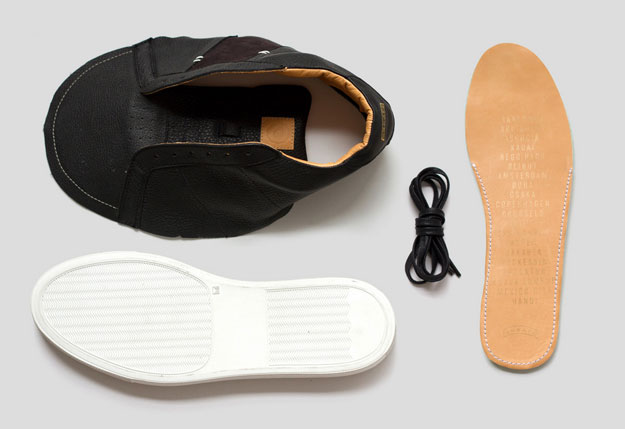
Greats Sneakers

https://www.shopify.com/?ref=qrsgrom 

Greats Sneakers
We launched our beta site on Aug 6th. In 30 hours we surpassed our sales projections for the first month.
We've been featured in GQ, Uncrate, Hypebeast, Highsnobiety, WWD and that's all in the first 3 days. It's early but we feel good about how GREATS has gotten of the blocks.

What are the key factors that have helped your store be successful?

https://www.shopify.com/?ref=qrsgrom 

GREATS is a startup so we don't have any money for marketing. We did however start building a community of followers across social channels and focused on instagram.
GREATS is very focused on design and experience and we began posting photos of things that inspired us, it became a mood board that showed people what the GREATS dna looks like and we didn't even have our own products yet.
From May 8th when we posted our first photo to now we've built an audience of 8,400+ followers. We've got a long way to go but working from that starting point helped a lot when we actually had something to sell and place to sell it.
The Royale, Broken Down —greatsbrand.com
https://www.shopify.com/?ref=qrsgrom 

"We looked at all the ecommerce platforms available, looked into building our own and in the end, Shopify was the right choice." —Ryan Babenzien, Co-Owner

What are your top recommendations for new store owners?

 https://www.shopify.com/?ref=qrsgrom

Have a clear vision of what you want the store to look like. GREATS was very clear on the aesthetic and it made the store development go as smooth as it can.
There are always challenges but if you have a clear idea of what the store should look like it will help define the flow of the site and all the other logistical stuff that is critical for a successful online store.
Jon Buscemi & Ryan Babenzien Present Greats —greatsbrand.com

Any Closing Remarks?

https://www.shopify.com/?ref=qrsgrom 

We looked at all the ecommerce platforms available, looked into building our own and in the end, Shopify was the right choice. We're looking forward to building GREATS into one of the success stories everyone reads about and we couldn't do it without Shopify.

What is Dropshipping?How does dropshipping work?Try with Shopify...

Understanding Dropshipping

https://www.shopify.com/?ref=qrsgrom 

Dropshipping is a retail fulfillment method where a store doesn't keep the products it sells in stock. Instead, when a store sells a product, it purchases the item from a third party and has it shipped directly to the customer. As a result, the merchant never sees or handles the product.
The biggest difference between dropshipping and the standard retail model is that the selling merchant doesn't stock or own inventory. Instead, the merchant purchases inventory as needed from a third party – usually a wholesaler or manufacturer – to fulfill orders.
This unique model has a number of benefits and drawbacks:

Benefits

https://www.shopify.com/?ref=qrsgrom 

Less Capital Is Required – Probably the biggest advantage to dropshipping is that it's possible to launch an ecommerce store without having to invest thousands of dollars in inventory up front. Traditionally, retailers have had to tie up huge amounts of capital purchasing inventory.
With the dropshipping model, you don't have to purchase a product unless you already made the sale and have been paid by the customer. Without major up-front inventory investments, it's possible to start a successful dropshipping business with very little money.
Easy to Get Started – Running an ecommerce business is much easier when you don't have to deal with physical products. With dropshipping, you don't have to worry about:
  • Managing or paying for a warehouse
  • Packing and shipping your orders
  • Tracking inventory for accounting reasons
  • Handling returns and inbound shipments
  • Continually ordering products and managing stock level
Low Overhead – Because you don't have to deal with purchasing inventory or managing a warehouse, your overhead expenses are quite low. In fact, many successful dropshipping businesses are run from a home office with a laptop for less than $100 per month. As you grow, these expenses will likely increase but will still be low compared to those of traditional brick-and-mortar businesses.
Flexible Location – A dropshipping business can be run from just about anywhere with an internet connection. As long as you can communicate with suppliers and customers easily, you can run and manage your business.
Wide Selection of Products – Because you don't have to pre-purchase the items you sell, you can offer an array of products to your potential customers. If suppliers stock an item, you can list if for sale on your website at no additional cost.
Easy to Scale – With a traditional business, if you receive three times as much business you'll usually need to do three times as much work.  By leveraging dropshipping suppliers, most of the work to process additional orders will be borne by the suppliers, allowing you to expand with fewer growing pains and less incremental work.  Sales growth will always bring additional work – especially related to customer service – but business that utilize dropshipping scale particularly well relative to traditional ecommerce businesses.
All these benefits make dropshipping a very attractive model to both beginning and established merchants. Unfortunately, dropshipping isn't all roses and rainbows. All this convenience and flexibility comes at a price.

Disadvantages

https://www.shopify.com/?ref=qrsgrom 

Low Margins – Low margins are the biggest disadvantage to operating in a highly competitive dropshipping niche. Because it's so easy to get started – and the overhead costs are so minimal – many merchants will set up shop and sell items at rock-bottom prices in an attempt to grow revenue. They've invested so little in getting the business started so they can afford to operate on minuscule margins.  
True, these merchants often have low-quality websites and poor (if any) customer service. But that won't stop customers from comparing their prices to yours. This increase in cutthroat competition will quickly destroy the profit margin in a niche. Fortunately, you can do a lot to mitigate this problem by selecting a niche that's well suited for dropshipping. We'll discuss this more in Chapter 4.
Inventory Issues – If you stock all your own items, it's relatively simple to keep track of which items are in and out of stock. But when you're sourcing from multiple warehouses, which are also fulfilling orders for other merchants, inventory changes on a daily basis. While there are ways you can better sync your store's inventory with your suppliers', these solutions don't always work seamlessly, and suppliers don't always support the technology required.
Shipping Complexities – If you work with multiple suppliers – as most drop shippers do – the products on your website will be sourced through a number of different drop shippers. This complicates your shipping costs.
Let's say a customer places an order for three items, all of which are available only from separate suppliers. You'll incur three separate shipping charges for sending each item to the customer, but it's probably not wise to pass this charge along to the customer, as they'll think you're grossly overcharging for shipping! And even if you did want to pass these charges along, automating these calculations can be difficult.
Supplier Errors – Have you ever been blamed for something that wasn't your fault, but you had to accept responsibility for the mistake anyway?
Even the best dropshipping suppliers make mistakes fulfilling orders – mistakes for which you have to take responsibility and apologize. And mediocre and low-quality suppliers will cause endless frustration with missing items, botched shipments and low-quality packing, which can damage your business's reputation.  

Is It Worth It?

https://www.shopify.com/?ref=qrsgrom 

As we initially warned, dropshipping isn't a perfect, stress-free way to build a successful business. The model has some definite advantages but comes with a number of built-in complexities and problems you'll need to be able to address.
We'll be examining these problems – and how to best address them – in future chapters. The good news is that with some careful planning and consideration, most of these problems can be resolved and need not prevent you from building a thriving, profitable dropshipping business.

Wednesday, September 2, 2015

How you can use our software to build online store

12 Things You Can Do for Your Small Business While Watching Netflix 

https://www.shopify.com/?ref=qrsgrom 

12 Things You Can Do for Your Small Business While Watching Netflix
Last weekend I watched an entire season of Friends in one sitting. Twenty-four episodes, back to back. Sitting upright for the first time in five hours, I couldn’t help but wonder where things had gone so terribly, terribly right.
I love binge viewing TV, and I’m not alone.
In a recent study conducted by TiVo, “92 percent of respondents reported binge viewing at some point, demonstrating that binge viewing is a new norm.” The average couch potato (like me) probably won’t lose much from an intense Friends marathon, but that level of downtime can seriously affect an entrepreneur's productivity.
I’m a big advocate of avoiding streaming TV until you’ve done your work for the day, but it’s clear the allure of binge viewing is simply too powerful to ignore. With that in mind, I’m going to take a different approach and meet you halfway.
Here are 12 things you can do for your small business while watching Netflix.

Schedule and Automate Your Social Media

https://www.shopify.com/?ref=qrsgrom 

Schedule and Automate Your Social Media
You need to share great content in order to build an engaged audience on social media, but remembering to Tweet, share and post throughout the week can be tough. These simple automations can help you keep active (even when you’re not).

1. Schedule your social media posts with a tool like Buffer [30min-1hr]

https://www.shopify.com/?ref=qrsgrom 

Unless you’ve quit your day job and dedicated your life to managing a small business, you’re probably too busy to Tweet or share on Facebook regularly. Tools like Buffer can help you schedule your updates so they post automatically throughout the week.

2. Use IFTTT to post your Instagram photos as Twitter photos [5min]

https://www.shopify.com/?ref=qrsgrom 

Yes, you can already (sort of) do this by linking your Twitter account to your Instagram app, but those Tweets only show up as links, not full images. To make your Instagram photos truly stand out in your followers’ Twitter timelines, use this recipe in IFTTT. Check out our post about IFTTT to learn more.

3. Build a Tumblr page by re-posting your Instagram photos and likes with IFTTT [5 min]

https://www.shopify.com/?ref=qrsgrom 

Marketing with Tumblr is a lot like marketing with Instagram; you should wow people with your images and attract a loyal following who’ll not only purchase your products, but become evangelists for your brand.
These two recipes will help cross-post your Instagram posts, plus any Instagram photos you’ve liked, to your Tumblr account. You’ll probably be scrolling through Instagram anyway, so why not make it productive?

Improve Your Product Pages

https://www.shopify.com/?ref=qrsgrom 

Improve Your Product Pages
A great product page needs more than one line of copy and a decent smartphone photo. Sprucing up your images and product descriptions is a lot easier than you might expect. Here are a few ways to get started.

4. Learn how to write better product descriptions and re-write a few of your own [1-2hrs]

 https://www.shopify.com/?ref=qrsgrom

Remember, product descriptions are supposed to sell your product, not simply describe its characteristics. It’s easy to talk about a product’s colour or use, but dig a little deeper and figure out how it can really help your ideal buyer. Try re-writing a few in between episodes - your visitors will thank you for it.

5. Optimize your product images for SEO and faster loading [1-2hrs]

https://www.shopify.com/?ref=qrsgrom 

Since it can’t physically see the images we upload, Google relies on filenames and ALT tags to determine what they are. Go through your website images and start renaming your vaguely named images to something more relevant. Your ALT tags should match, too. Learn how to do this, and decrease your images’ file sizes, on our image optimization blog post.

6. Read up on, and apply, the key principles of psychological pricing [1hr]

https://www.shopify.com/?ref=qrsgrom 

Don’t worry - it sounds more complicated than it really is. We examined a few successful companies’ pricing strategies and discovered what makes them so effective. Once you learn what they’ve been doing, you can start applying those same principles to your own business. Give it a try!

Upgrade Your Online Store

https://www.shopify.com/?ref=qrsgrom 

Upgrade Your Online Store
There’s a lot you can do to freshen up your online store or add new, time-saving functionality to your backend. Knock out these three tips during your next Firefly binge to take your business to the next level.

7. Browse helpful plug-ins on the Shopify App Store [30min-1hr]

https://www.shopify.com/?ref=qrsgrom 

If you haven’t already gone through the Shopify App Store, now’s your chance. There’s no shortage of free apps designed to make your life easier as a business owner, so poke around and add a few to your store.

8. Get a professional domain name for your business [30min]

https://www.shopify.com/?ref=qrsgrom 

Shopify provides merchants with a free “yourstore.myshopify.com” domain, but you also have the option to buy and use your own. There’s a certain amount of credibility and professionalism that comes with your own .com address, so if yours is available, get it.

9. Create (or improve) your “About” page [1hr-2hr]

https://www.shopify.com/?ref=qrsgrom 

These days, customers want to know more about who they’re buying from, and it’s your job to tell them. Thankfully, it’s a pretty simple job (here’s some inspiration). 

Get a Quick Jolt of Inspiration

https://www.shopify.com/?ref=qrsgrom 

Get a Quick Jolt of Inspiration
Can’t find something to do? Get inspired by successful merchants, beautiful design, and the world’s most prominent business people. Keep those juices flowing!

10. Read the latest Shopify Success Stories [1hr]

https://www.shopify.com/?ref=qrsgrom 

Don’t think someone can truly succeed in your niche? Think again. Read a few Shopify Success Stories from entrepreneurs in your industry to pick up a few quick tips or helpful insight.

11. Get inspired by some of our best-looking stores [15min]

https://www.shopify.com/?ref=qrsgrom 

If you’re running your online store with Shopify, odds are that it already looks pretty darn good. However, there’s always room for improvement! Get inspired by our list of 30 beautiful and creative ecommerce website designs.

12. Get inspired by real business leaders [10min]

https://www.shopify.com/?ref=qrsgrom 

We compiled our 8 favorite customer service quotes from some of history’s most successful entrepreneurs. If these don’t get you off the couch, nothing will. 
Did I miss anything? Let me know how you make the most of your Netflix time in the comments section below.


About The Author

Jordan Simas is a copywriter, all you can eat sushi lover, and content creator at Shopify.

 Use Shopify software to build your own online store and grow your business

https://www.shopify.com/?ref=qrsgrom

While Supplies Last: How to Use Scarcity and Urgency to Increase Sales

While Supplies Last: How to Use Scarcity and Urgency to Increase Sales
The fear of missing out can have a powerful effect on shoppers. A split test done by WhichTestWon showed that when a countdown timer was placed on a product page, it converted nearly 9% better than a variation of the product page without a countdown timer.
Countdown timer split test
via WhichTestWon
Creating a sense of urgency among your website visitors can help make more people buy and less people “go home and think about it”.
There is potential for visitors on your website to procrastinate and try to delay their decision to buy. According to a study done by Centre De Recherche DMSP, consumers that were seen as high procrastinators had a 73% chance to not make a purchase decision immediately. Consumers that were determined to be low procrastinators still had a 26% chance. Introducing a product or time shortage, your customers will be less likely to delay their buying decision.
A study done by DigitalCommons at the University of Nebraska in 2013 monitored and surveyed 14 shoppers. Study participants shopped at various stores, with most stores using perceived scarcity strategies such as limited quantities and limited-time sales. The study found that the retail stores that had perceived scarcity produced psychological effects such as consumer competitiveness, urgency to buy, in-store hiding, and in-store hoarding.
While your objective isn’t to turn your website visitors into rabid shoppers, you do want to encourage people to act immediately, and that’s where scarcity comes in. You can introduce perceived scarcity to your store by creating a product or time shortage.
I’m going to share the two kinds of scarcity you can create in your store and a few actionable examples you can use to create urgency.

Limited Time Sales and Offers

https://www.shopify.com/?ref=qrsgrom 

Creating a time restriction is one of the easiest and most effective ways of creating urgency and scarcity in your store. This is because customers don’t want to miss out on the opportunity to take advantage of an offer. For example, putting together an expiring sale or offer can force customers to make a decision faster than they might have without a time limitation.
As noted in DigitalCommons’ study, this plays into the theory of loss aversion, where most people prefer to avoid losses than acquire gains. Time restrictions ramp up that psychological trigger.

Offer Flash Sales

https://www.shopify.com/?ref=qrsgrom 

Pet Pro Supply Co. has recurring flash sales on their website, offering very limited-time discounts on hand-selected products.
Pet Pro Flash Sale
via Pet Pro Supply Co.
Pet Pro Supply Co. also has a separate Flash Sale page which is prominently featured on their website. The product page is optimized for the flash sale by showing the sale price, and more importantly, the exact date and time the flash sale ends. This reminds the person browsing the product page that they need to act soon or miss out on the deal.

Include Product Page Countdown Timers

https://www.shopify.com/?ref=qrsgrom 

Instead of just showing the date that the sale ends, include a countdown timer on your product page, like MakersKit does for their items that are on sale:
MakersKit countdown timer
via MakersKit
This visualization helps increase the effectiveness of the time scarcity of this sale.
While sales under a time limitation work really well, they aren’t the only thing you can use to create urgency.

Create Timed Shipping Offers

https://www.shopify.com/?ref=qrsgrom 

Express shipping offers, or even free shipping offers, for customers that act quickly enough, is another great incentive. Fab&GO, a womenswear shop, offers next day shipping if customers act fast enough.
Free next day shipping
via Fab&GO
If a customer wants to get her shoes shipped by tomorrow, she needs to act within the next 5 hours.
Another idea is offering free shipping to the customers that act quickly enough. Kit Out My Office, a store selling office furniture, uses a countdown timer across the top of their website. Free shipping scarcity
via Kit Out My Office
This is a constant reminder to those browsing the website that if they want to take advantage of free and quick shipping, they need to order within the next 2 hours. This keeps customers from putting it off later, and more often than not, forgetting about it altogether.
You want the customer to purchase, ideally, the first time they come to your website. It’s very unlikely they will ever return, even if they are very interested in purchasing. According to MarketingSherpa, ecommerce companies reported only around 30% of their traffic was returning visits.

Limited Quantity

 https://www.shopify.com/?ref=qrsgrom

You can use stock shortages to your advantage. Instead of looking at limited quantities of your products as a limitation to the sales you can make, look at them as a way to show scarcity to your customers and increase the perceived value of your products.

Show Stock Quantity

https://www.shopify.com/?ref=qrsgrom 

The easiest way of doing this is to simply show the quantity of products in stock on the product page itself and bring attention to the quantity you have left. Tradlands, a shirt store for women, does this effectively by showing the quantity when choosing a shirt size on their website.
Limited stock available
via Tradlands
Tradlands also instills urgency in the way they describe their quantity. “Quick, only 1 left” is a far more effective way to describe how many shirts are left than “Stock: 1”.
Similarly, Retro City Sunglasses shows the remaining quantity on their product pages as well as on a page specifically for sunglasses that are “Almost Gone!”.
Limited stock
via Retro City Sunglasses

Sell Limited Quantities

https://www.shopify.com/?ref=qrsgrom 

Another way to create scarcity with limited quantities is to tell customers how many you have to sell instead of telling them what’s left. In most cases, using this strategy works best when selling a “limited edition” or “limited run” of a product, where you only manufacture and sell a specific quantity.
For example, Mindzai sells limited editions of some of their toys.
Mindzai limited edition
via Mindzai
In this case, we see Mindzai is only going to create and sell 100 units, not only making this particular item special to own for collectors, but also create scarcity.

Create Urgency in Your Copy

 https://www.shopify.com/?ref=qrsgrom

You don’t only have to show the quantity or sell a limited amount of a product to create scarcity. The language you use on your website, marketing materials and emails can create a lot of urgency as well.
Just look at this email I received from Mizzen+Main the other day.
Limited quantity scarcity
via Mizzen+Main
Take note of the way that Mizzen+Main describe their new shirts. Instead of simply saying “hey, new shirts are on our store, check them out,” Mizzen+Main makes me want to head over to their store immediately by letting me know that “they’re going quick!”.
They also justify their scarcity claim with “Our last product launch resulted in our fastest sellout ever. Get them quick!” at the end of their email.
As I mentioned earlier, the way you describe your product or phrase you call to actions can create perceived scarcity as well. For example, across the top of JerkySpot is a call to action to “Order Now” but it also makes note that “Supply is Limited”.

via JerkySpot
Letting your customers know that your product can sell out at anytime helps create a sense of fear and urgency. Customers don’t want to regret not taking action when they could have, and using the right copy on your website can remind them of that.

Use Scarcity Responsibly

https://www.shopify.com/?ref=qrsgrom 

Finally, it’s worth noting that with great power, comes great responsibility.
With the right product and customer, scarcity can work really well. However, creating false scarcity or trying to trick people is not the best way to go about this practice.
Obvious manufactured scarcity can turn off customers and hurt your brand.
The scarcity you create needs to be based in something. Why are you only selling those shirts for a limited time? Why is this a limited-run product? You can’t just throw a countdown timer onto a product page and expect it to sell more. The countdown timer should show an expiring sale or an offer (such as next day shipping).
At the same time, scarcity is not always a remedy for poor sales. There needs to be some demand for your products in the first place for this all to be really useful. Much like when Apple launches a new phone or tablet, the demand for their products is already there. The limited amount of Apple products at launch simply intensifies the demand and desirability.
Lastly, don’t over do it. You don’t want to come across as if you’re pressuring your customers. The primary function of perceived scarcity in your business is to encourage procrastinators to make a decision, not to force people to buy things they don’t want. A consequence of creating scarcity, when used improperly, is that it can create buyer’s remorse.
If customers make a purchase they were pressured into, it can cause them to regret their purchase, want a refund, and feel differently about your business.

Your Turn

https://www.shopify.com/?ref=qrsgrom 

If scarcity makes sense for your store, consider applying one example to your business. Even a small change, such as how you describe the quantity left for a product, can have a big change on conversions. If you have any questions on how to create perceived scarcity and urgency, or you’d like to share how it’s worked for you, feel free to comment below. I engage and respond with everyone.

Corey Ferreira

About The Author

Corey Ferreira is a passionate entrepreneur, coconut water lover and content creator at Shopify.